November 13, 2019|All Reviews, New Fangled Review, Retro Reviews
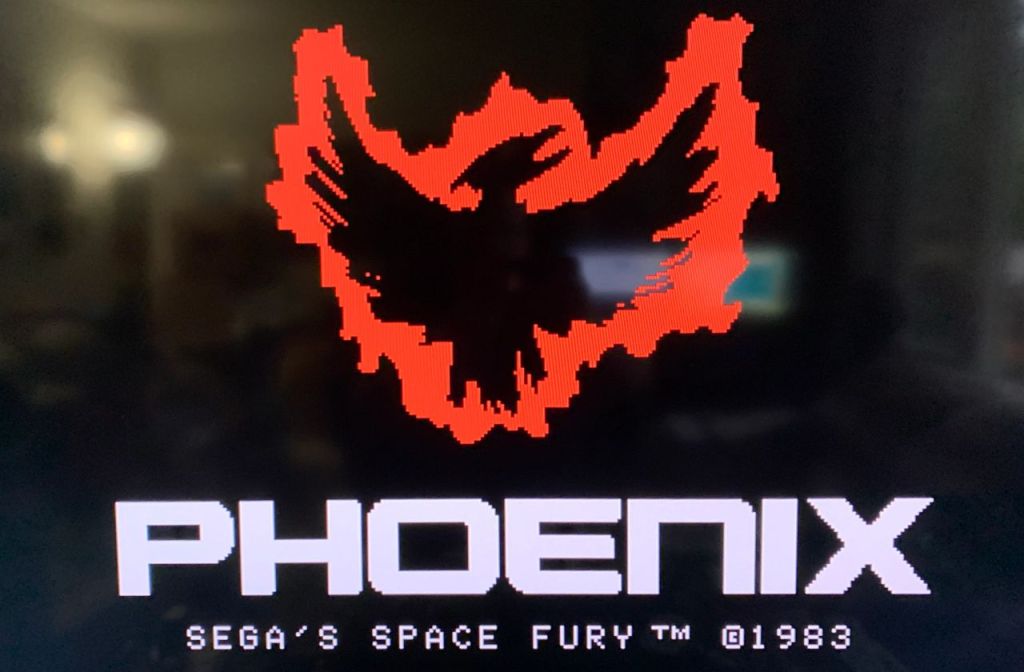
The Phoenix is a labour of love from the folks at Collectorvision, a small group of developers based out of Chateaugay, Quebec. They are primarily known for making new homebrew games for a variety of Retro systems, from the Atari 2600 all the way to the Sega Dreamcast, including the critically acclaimed Sydney Hunter series.
But in 2018, they decided to try their hands at a FPGA powered recreation of the Colecovision, a prototype for a system they would call the Phoenix was created and they took to Kickstarter to attempt to get the funding. After not reaching their goals, they switched up their plans and, would go on to sell the system on their website via pre-order. The first run of supporters systems were shipped out in October 2019, (Early access systems were shipped in April) with mine arriving via a rather unassuming brown box.
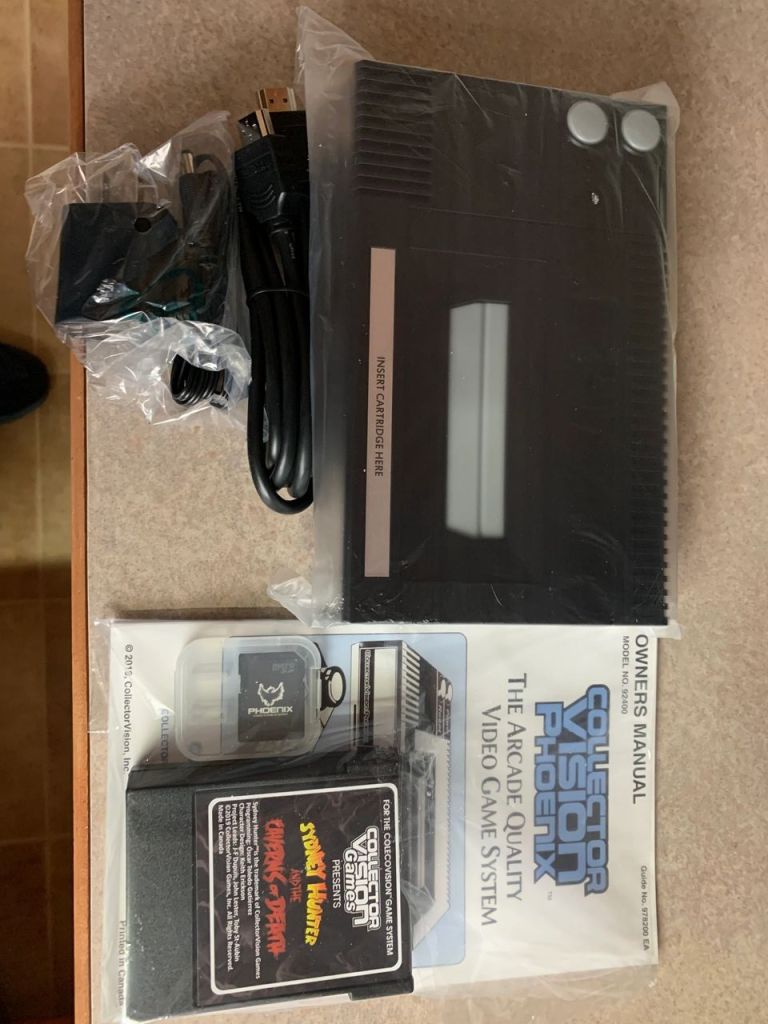

Inside said unassuming box, there is the Phoenix system itself ( 7.50″ x 4.75″ x 1.8″ (L x W x H) , a 12V power supply, and a HDMI cable (a very nice touch nowadays). Also included is an instruction manual for the system, recreated very nicely to look like a Coleco manual from the original system, complete with the same baby blue and black pictures of the original games. There is also a 2GB micro sd card, coupled with a custom Phoenix SD card adaptor, which contains 10 homebrew Coleco games, as well as a backup of the core software. And finally, there is the Collectorvision game, Sydney Hunter and the Caverns of Death, included on a new molded Coleco cartridge. There are no controllers included in the bundle I ordered, as I have a few Colecovision controllers I can use.
The Hardware

The Phoenix is an FPGA (Field Programmable Gate Array) console, which is a fancy term for a console on a chip where cores can be programmed to simulate a variety of different hardware, so that they games are convinced they are running on the original hardware. The Phoenix has 30 cores available, with one programmed for Colecovision and one programmed for Atari 2600, leaving the next 28 for future cores, such as Intellivision, MSX, Sega Master System and even arcade machines (All hinted at in the included manual!) The Atari core comes bundled with this because the original Colecovision had an optional expansion module that allowed you to play Atari games, and is in my opinion a very nice inclusion.
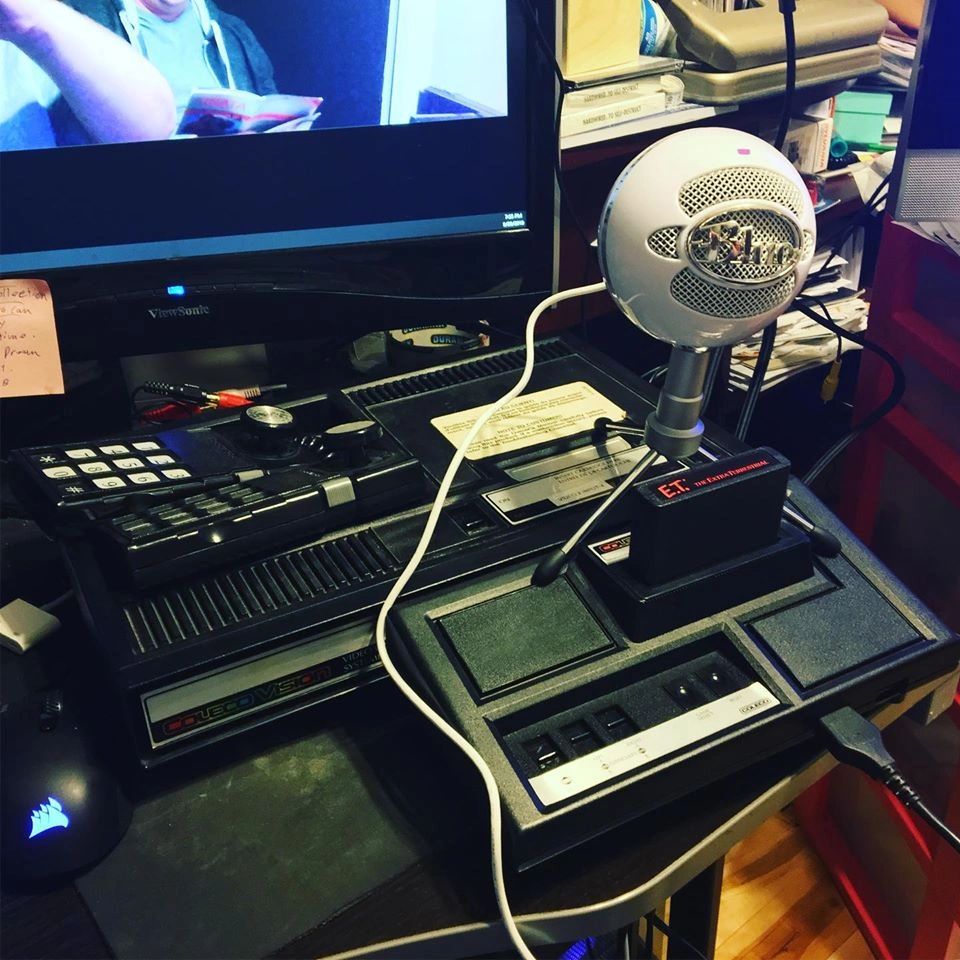
The Phoenix comes in two different flavors, the one I picked up is black and is designed to look like the original Colecovision. There was also a special edition grey one, designed to look like the ill fated Adam computer that Coleco would release. Regardless of which style you choose, the input/output options are the same; there are two original db9 controller ports on the front, which will accept an original Coleco controller, as well as a variety of other controllers (Atari, Genesis, Commodore etc). There is also a SD card slot, which can be used to play ROMS, or flash firmware upgrades. There is also a PS2….keyboard….port? That is a sentence I haven’t had to type in a long time, supposedly this is used with updating and installing cores.
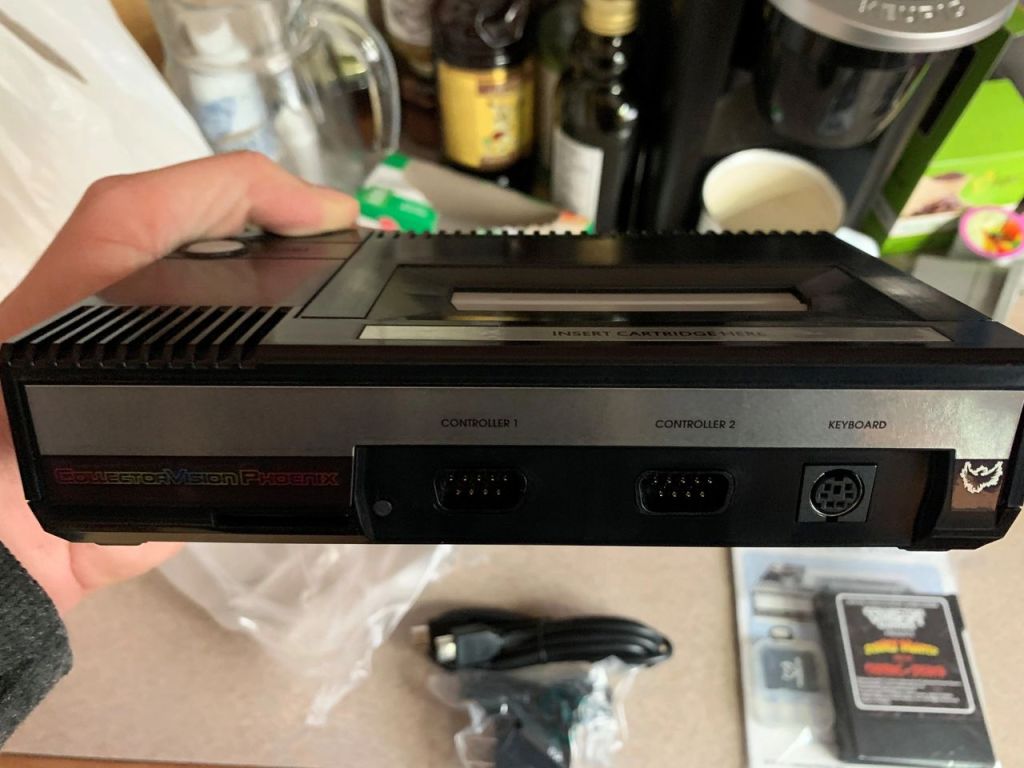
On the back you’ve got an HDMI port, a port for power (not usb sadly) and a DB25 style expansion port for future expansion (not for the old expansion modules from the original Coleco). On top you have both a power and reset button, as well as a cartridge slot for….well, putting original Coleco cartridges in! All fairly standard stuff…but the real piece de resistance is this:

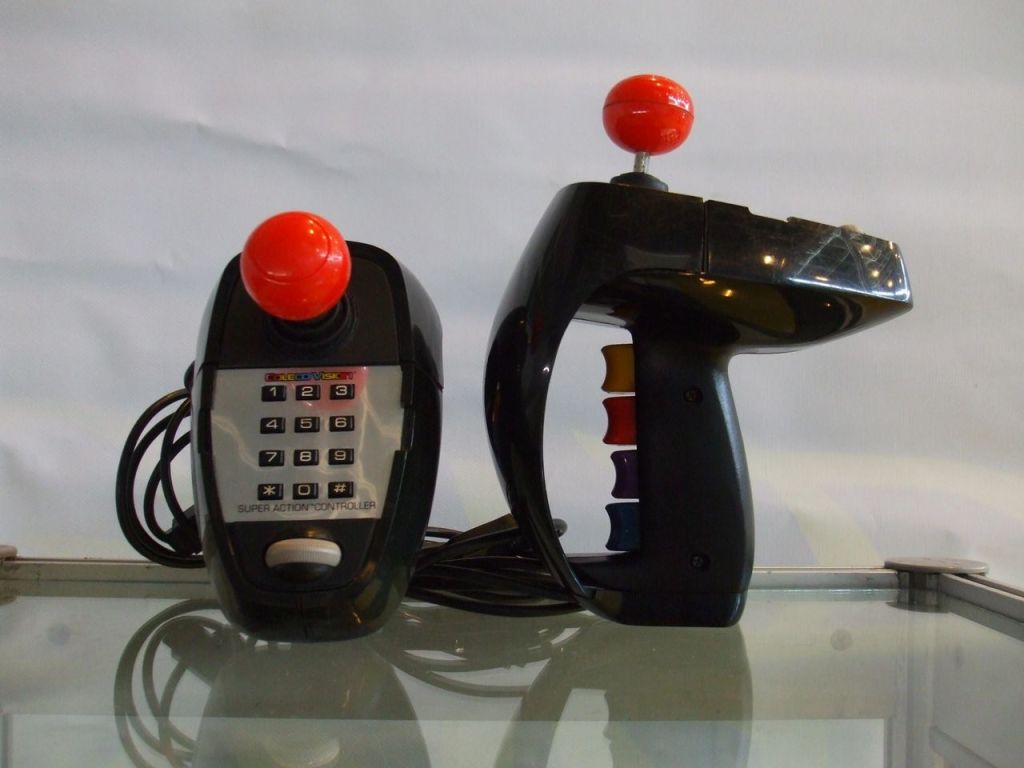
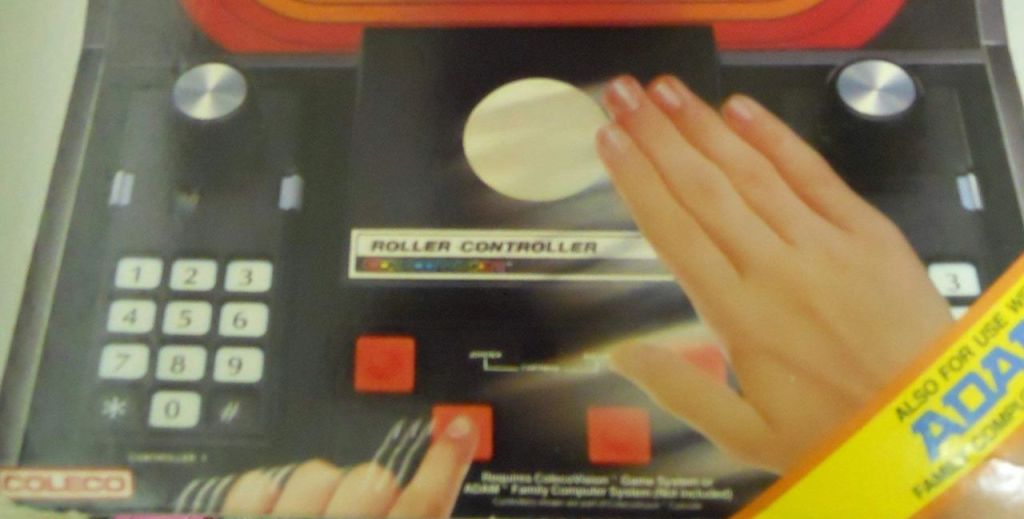
On the right side of the console, is a single SNES controller port. Absolute genius, as the original Colecovision controller was far from being good, especially when compared to the next generation and beyond of controllers. And since the Phoenix does not currently come with a controller of any sort, the inclusion of this port is greatly appreciated, as you can still order a variety of SNES compatible controllers fairly cheap. As well, this works in parallel with the controller plugged into port one on the front, so you can keep an original Coleco controller plugged in for access to the number pad, and then use the SNES pad for everything else, although there is button combos mapped in the system to recreate the numbers on the SNES pad (L+y button = 1, for example). I personally found that several challenging to control games from the past (Venture and Star Wars jump out at me) were quite a lot more enjoyable to play now with the SNES controller. There is also support for the Colecovision steering wheel (also known as expansion module 2), the super action controllers, and the roller controller.

So, How do the Games Play?


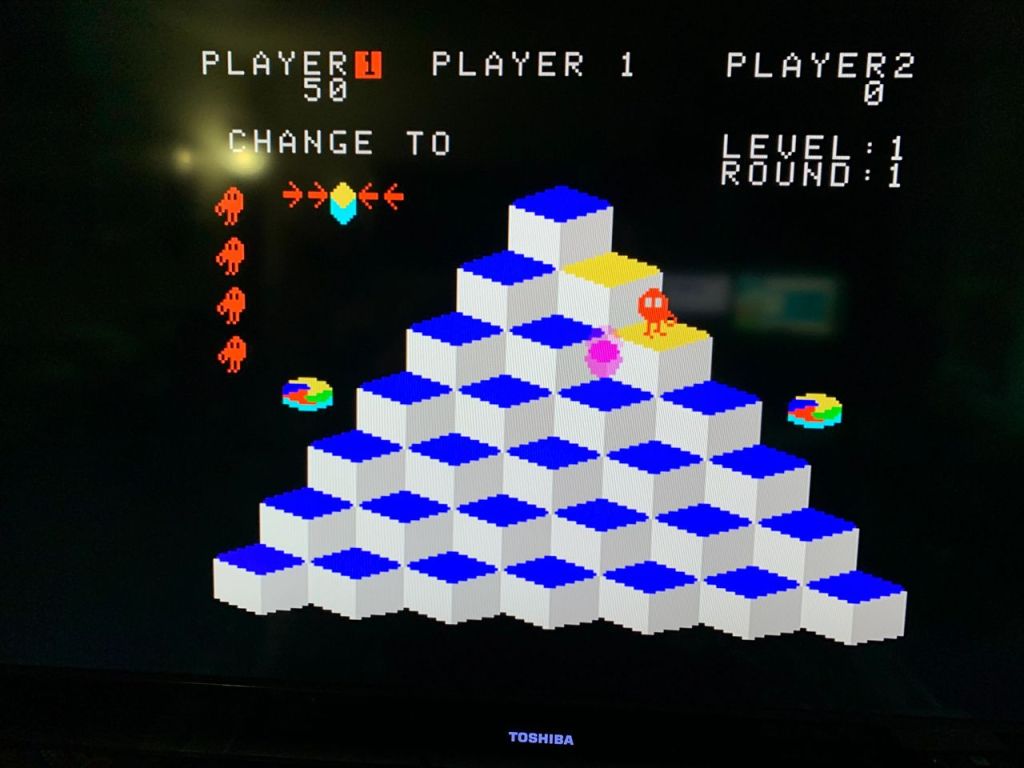
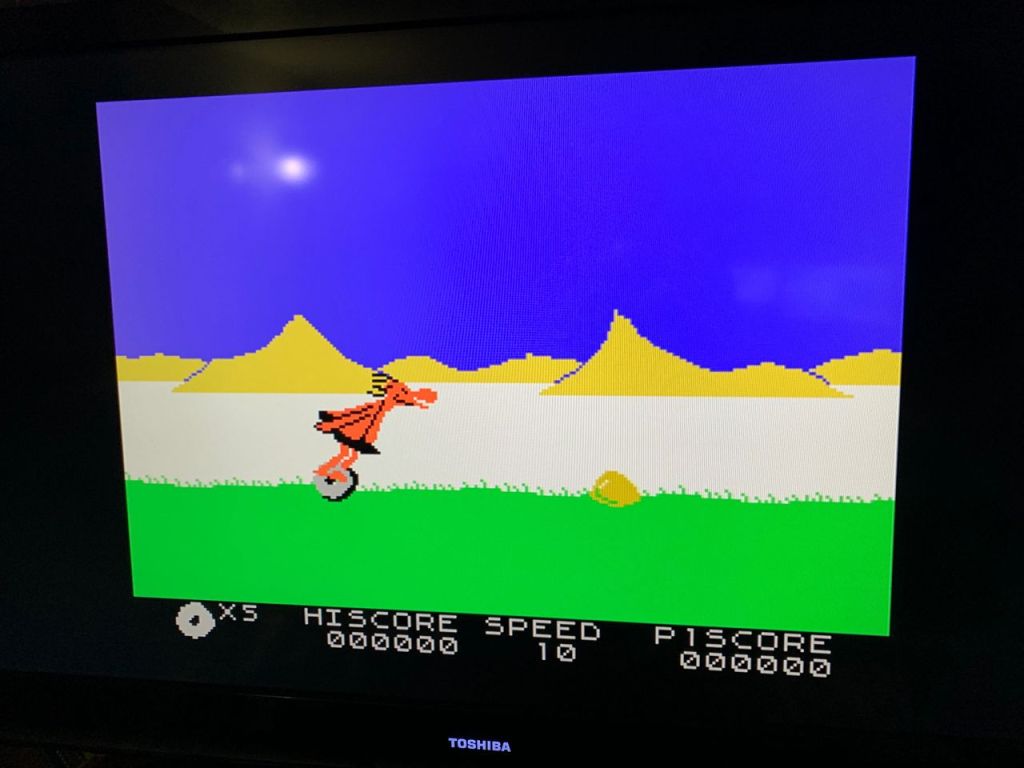

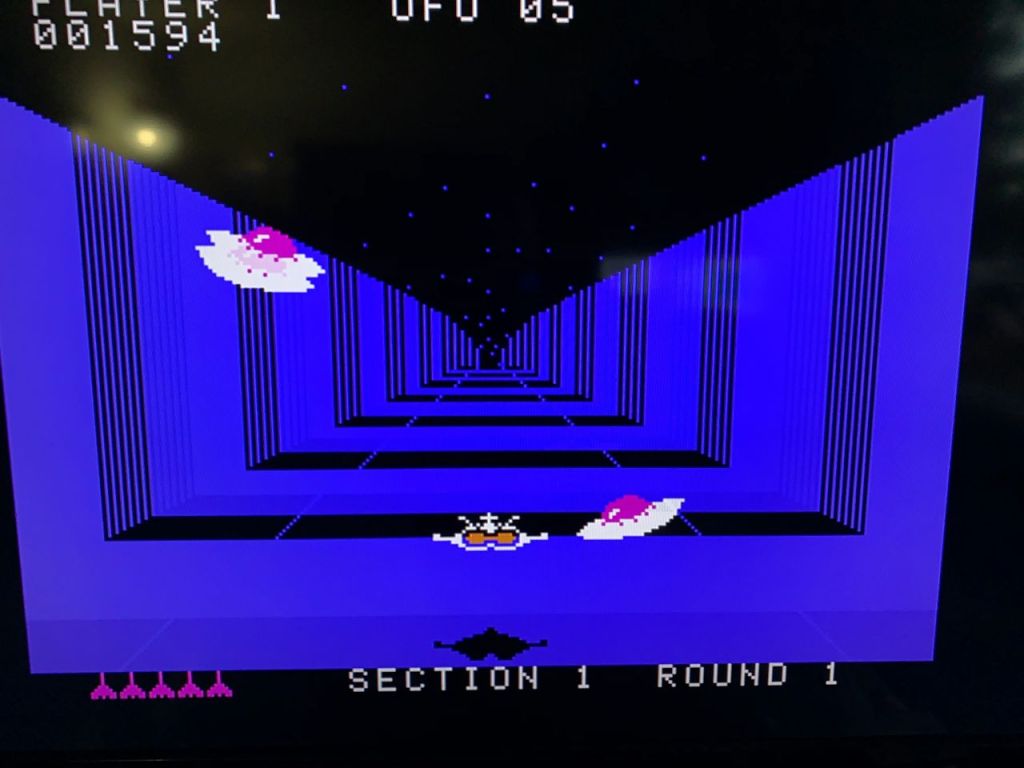
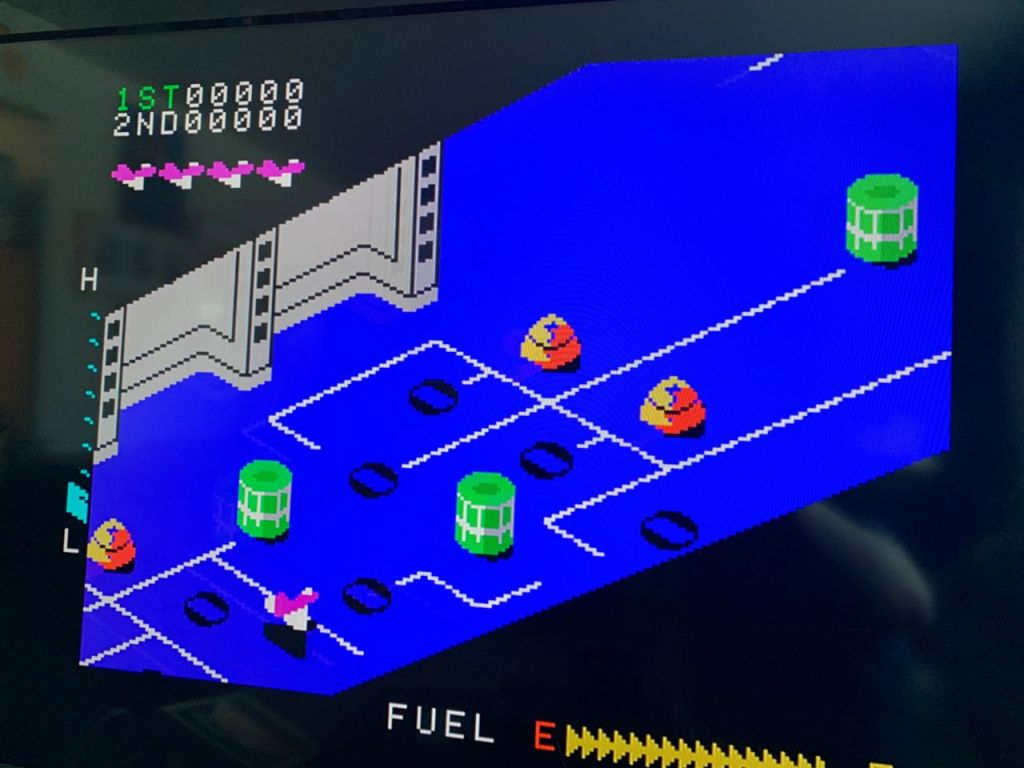
The output from the Phoenix is a crisp 480p (720p is supposedly being looked at), and all of the 32 games in my original collection played flawlessly. The Phoenix ships with a F18A video board pre-installed, which from what I understand is meant to reduce sprite flicker and just generally improve the video output. The colours are brighter than they ever were, and picture quality was sharp and crisp.
Strangely enough, the one game I did have troubles with was the cartridge included with the system, Sydney Hunter and the Caverns of Death, made by Collectorvision themselves. During gameplay, the graphics distort while throwing your boomerang, and at the end of the first level, the game itself resets. Every time. I have tried this cartridge on my original Colecovision, and have the same problems. I’ve reached out to Colectorvision about this, and I expect this to be a one-of issue with the cartridge, as I’ve watched other people play their version with no issue.
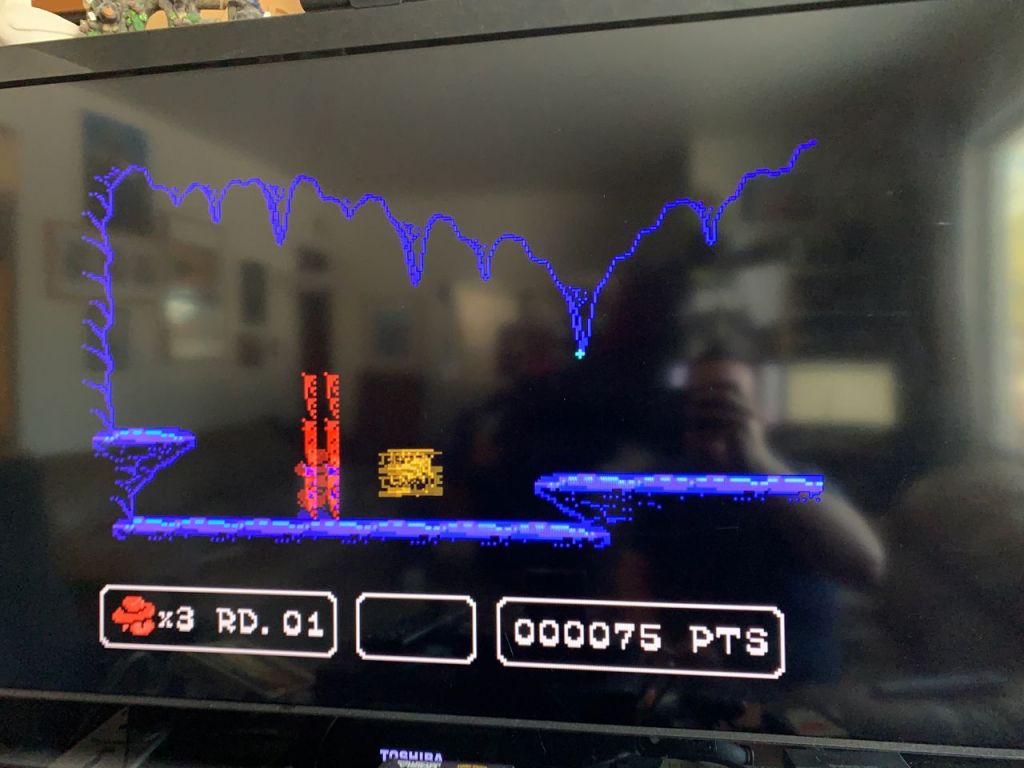

The Phoenix also comes with a built in Super Game module, also known as the Coleco expansion module #3. This module had been planned for release from Coleco before the Adam computer was released, and would have upgraded the RAM from 1kb to a whopping 32kb, and added double the amount of sound channels up to 4. The module was designed but never released, but a company named OPCode built and released this as an officially branded Colecovision product (they got the blessing from the parent company that now owns Colecovisions rights, River West Brands) and in 2013 released a small amount of them to the general public. The Super Game Module has become quite the collectors item, currently go for 200 or so dollars on Ebay, if you can find it. There is a list of games that have been made to take advantage of this at http://cvaddict.com/list.php?filter=8, being made up mostly of Adam cart ports and homebrew games. The quality of some of these are amazing, leaving me to wonder what might have been, if Coleco had focused on releasing this module, instead of releasing the ill fated Adam.
On the audio side, for the most part, the audio was clear, and faithfully reproduced all the beeps and boops of the classic games. The only notable exception is on my copy of Cosmic Avenger, which has notable audio distortion on the Phoenix, but not on the original Coleco. I have cleaned this cartridge thoroughly with some alcohol, but this hasn’t cleared up the problem. I’m not sure if there is something different with that games audio programming, and like I said it was the only game I encountered a problem with audio wise…but it is something to keep an eye out for.
On the Phoenix…
And on the original Colecovision.
The Verdict
So at the end of the day, would I recommend the Collectorvision Phoenix? As someone who grew up playing the Colecovision, it’s a dream come true, and has re-kindled my love for collecting Colecovision games. The reproduction of the games sights and sounds is near perfect, apart from the two examples I found, and the love for the system they were re-creating is apparent in everything from the design of the system itself to the production of the manual. I applaud the effort that must have gone into producing this, especially with a small crew of people. The price point ($199 American for the base model) may seem steep, but considering what you are getting for the price, including the extra cores available for future systems on the Phoenix (I personally hope they follow through on their plans for the Intellivision core), I would heartily recommend this for any serious Retro collector.

 The Grumpy Old Gamers
Leave a comment